ella

Alumina Ceramic Insulator: Purity, Forms & Design Guide

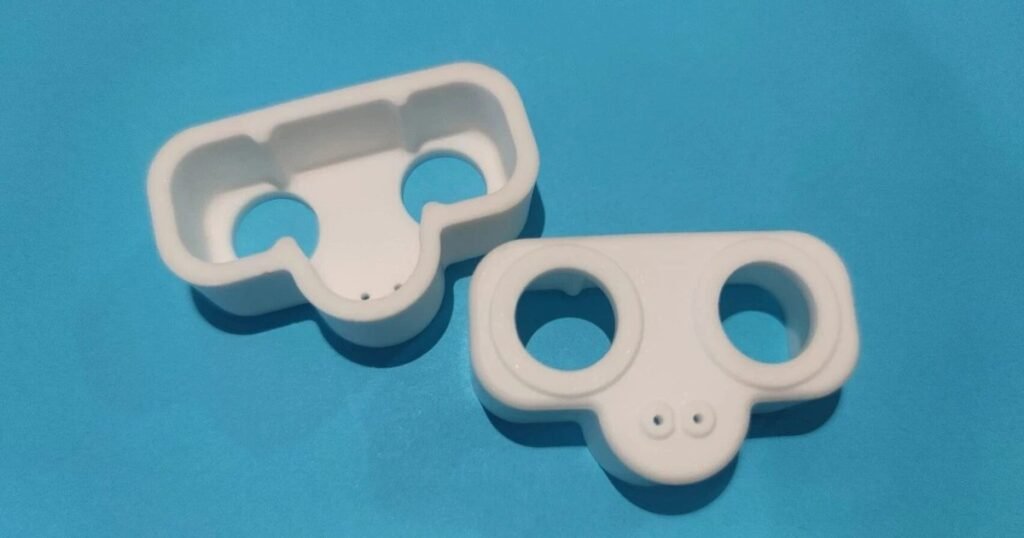
Alumina Ceramic Insulator: Types, Grades & Selection When a power transistor has a live mounting tab, it needs to pass heat into the metal heat sink without making electrical contact. A flat alumina ceramic insulator can carry heat across that joint while keeping the two metal surfaces electrically separate. If you need to separate two

Alumina Ceramic Insulator: Purity, Forms & Design Guide Read More »

Insulator Ceramic: Materials, Properties & Selection

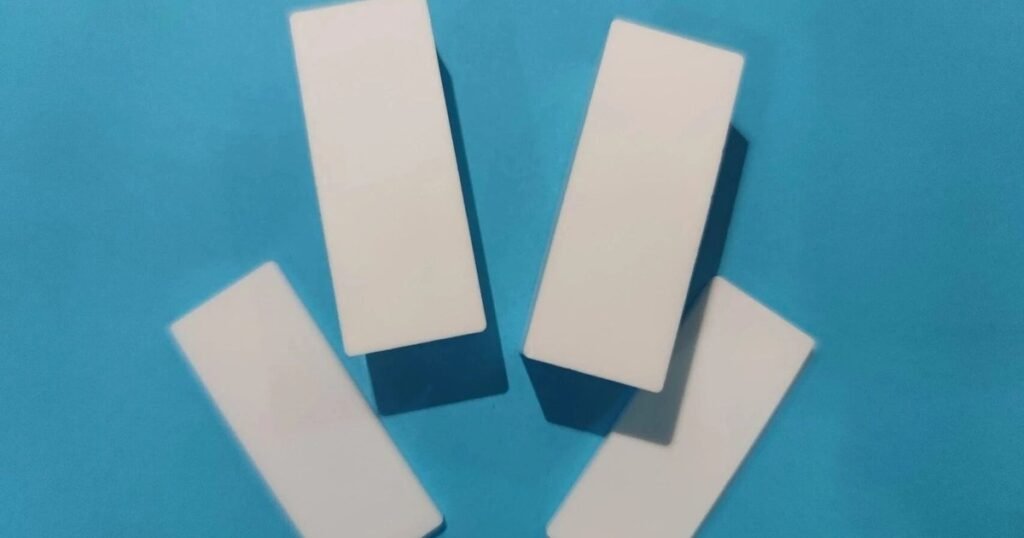
Insulator Ceramic: Materials, Properties & Selection An insulator ceramic is a fired ceramic part that stops electric current from flowing where it should not, from a small washer under a busbar to a porcelain disc on a power line. For most electronic and industrial parts the default material is alumina; porcelain still carries overhead power

Insulator Ceramic: Materials, Properties & Selection Read More »

Ceramic Substrate: A Practical Guide to Materials, Thickness & Uses

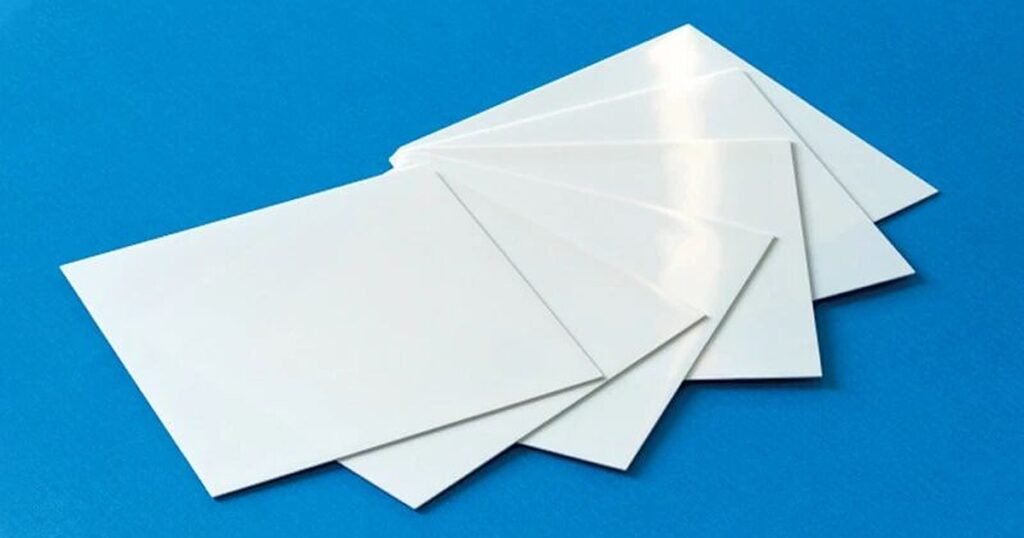
A ceramic substrate is a thin, fully fired ceramic plate that carries an electronic circuit. It does three jobs at once: it keeps the circuit traces electrically apart, it holds the components, and it pulls heat away from them. For most designs, alumina is the right ceramic substrate. Engineers move up to aluminum nitride when

Ceramic Substrate: A Practical Guide to Materials, Thickness & Uses Read More »

Alumina Dielectric Constant and Electrical Data by Grade

The alumina dielectric constant is roughly 9 to 10 for most dense alumina ceramic at room temperature and 1 MHz. Five of the six alumina grades we make measure between 9.3 and 10.3, and our 99.5% grade reads 7.8. The number describes how much electric charge the ceramic can hold, which affects capacitance and signal

Alumina Dielectric Constant and Electrical Data by Grade Read More »

Tensile Strength of Alumina and Why It Has No Yield Strength

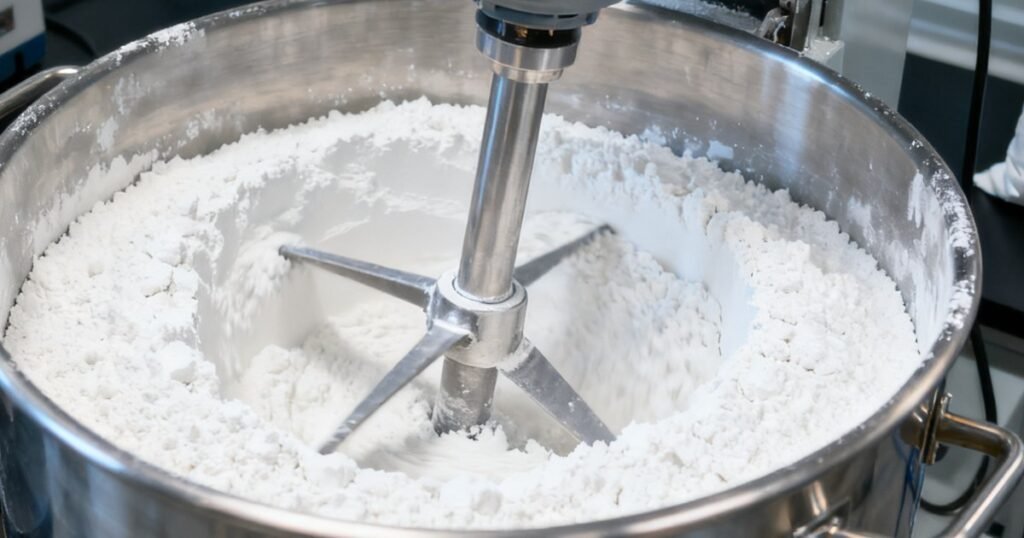
Alumina (aluminum oxide) does have a tensile strength, but it is rarely measured, so most datasheets leave it out. In one supplier’s published data, the tensile strength of alumina comes out at about 52 to 71 percent of the same material’s flexural strength. Alumina has no yield strength at all. At room temperature it never

Tensile Strength of Alumina and Why It Has No Yield Strength Read More »