
Precision ceramic machining is where a sintered blank becomes a functional component — and it is a different discipline from metalworking, because fired technical ceramics are harder than any conventional cutting tool. FineCer's machining floor is built around that fact: diamond-tooled CNC grinding, lapping, and polishing equipment that brings zirconia, alumina, SiC, and Si₃N₄ to ±0.001mm dimensional tolerance and Ra 0.1μm surface finish, with form accuracies (roundness, concentricity, cylindricity) to match. Whether the blank came from our own forming lines or arrives as customer-supplied material, the finishing standard is the same.
Achievable Precision
| Spec | Value |
|---|---|
| Dimensional | ≤0.001mm |
| Surface | Ra ≤0.1μm |
| Concentricity | ≤0.003mm |
| Parallelism | ≤0.002mm |
| Cylindricity | ≤0.004mm |
Available Processes
- CNC Grinding — cylindrical, surface, internal, profile
- Milling — multi-axis CNC
- Drilling — diamond core, ≥0.7mm
- Lapping — ultra-flat surfaces
- Polishing — mirror finish Ra 0.1μm
- Threading — ≥M2
- Laser — cutting, marking
Green Machining vs Hard Machining — the Cost Lever
The biggest price variable in a machined ceramic part is when each feature gets cut. Before sintering, the material is soft enough for fast conventional shaping — so we form general geometry, holes, slots, and steps in the green or pre-sintered state wherever the drawing allows. After sintering, every micron is removed by diamond grinding: slow, precise, and priced accordingly, reserved for the bores, faces, and diameters whose final tolerance actually earns it. The DFM review that accompanies every quote marks this split explicitly; drawings that distinguish critical fits from general dimensions routinely come back meaningfully cheaper for identical function.
Surface Finishing to Ra 0.1μm
- Rough grinding (D64–D91 grit)
- Fine grinding (D15–D25 grit) → ±0.005mm
- Lapping (W3.5–W1 diamond slurry) → Ra 0.2μm
- Polishing (CeO₂ or nanodiamond paste) → Ra 0.1μm
The staged sequence is not ceremony — it is strength preservation. Each finer stage removes the micro-crack layer the previous stage left behind, so the finished surface is not just smooth but structurally sound. Skipping stages produces parts that measure perfectly and fail early; controlling them is most of what separates precision ceramic grinding from merely owning a diamond wheel. Finished geometry and finish are then verified — CMM, roundness tester, profilometer — in the quality lab, with measured values on the report that ships with your parts.
What to Put on Your Drawing
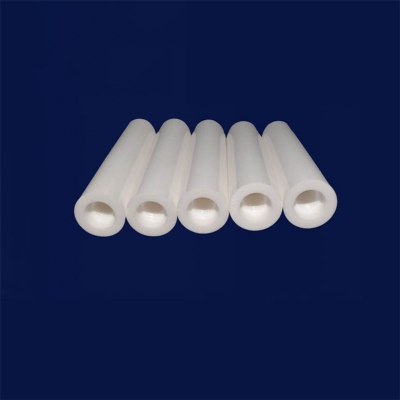
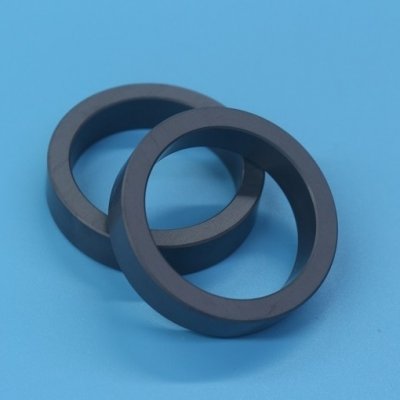
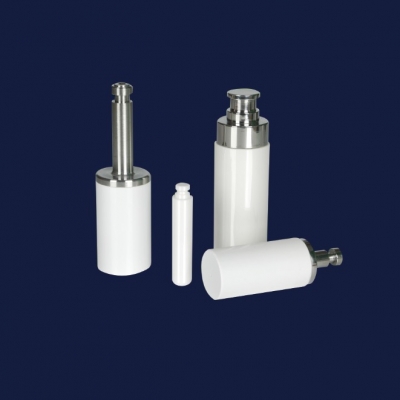
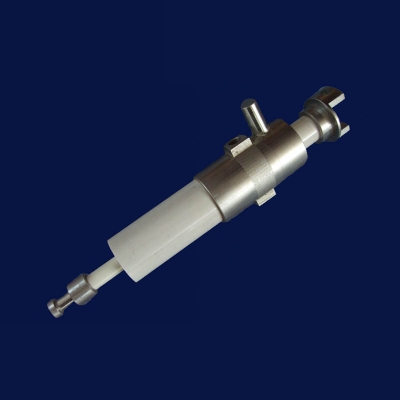
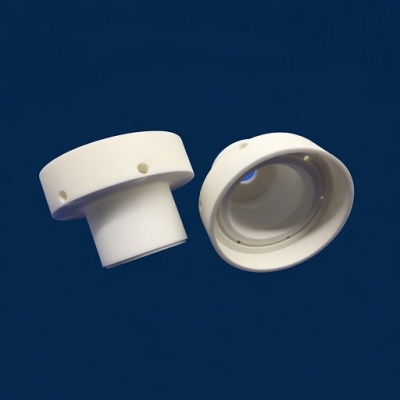
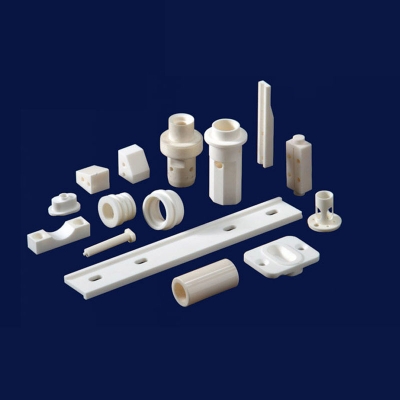
Three notes get you the best machined-ceramic quote: mark which dimensions are functional fits versus general; specify surface finish only where it works (a sealing face earns Ra 0.1μm; a clamped back face does not); and allow radii on internal corners — sharp corners are stress raisers in ceramic and slow to grind besides. Send the drawing as-is if you prefer: flagging exactly these opportunities is what the free DFM review is for, and typical products of this line — plungers, seal faces, custom precision parts — almost always ship cheaper after it.
Product Gallery
Need Precision Ceramic Machining?
Fired blanks or full manufacture — send the drawing for a machining plan and quote within 24 hours. Send your drawings or specs to sales@finecer.com — response within 24 hours.
Frequently Asked Questions
Ready to Start Your Project?
Send us your drawings, specifications, or even a rough concept. Our ceramic engineers respond within 24 hours with a DFM review, material recommendation, and detailed quotation — with no obligation.
Request a Free Quote → Order a Sample